

Executive Summary: Modernizing Construction Invoicing in 2026
Managing billing across multi-phase building contracts, structural works, and subcontractor packages demands precise progress tracking, retention accounting, and airtight variation documentation. Implementing specialized construction company invoice software cuts progress claim submission delays by 70%, completely eliminates payment certification disputes with photo-verified milestone audits, and safeguards contractor working capital from project initiation to final retention release.
Operating a construction or building contracting firm involves high-stakes financial commitments. Contractors must purchase building materials by the truckload, lease heavy machinery, and finance weekly labor payroll long before clients certify work completion. In conventional construction firms, accounting desks are inundated with paper delivery orders, hand-written site logs, and convoluted Excel billing sheets that take days to reconcile.
When progress claims are delayed or disputed, the entire financial structure of a construction project is threatened. Project developers withhold certifications, sub-contractors threaten work stoppages, and cash reserves evaporate. To protect project profit margins and establish transparent financial accountability, forward-thinking building contractors rely on dedicated construction company invoice software designed to automate progress claims, track retainage, and streamline payment approvals.
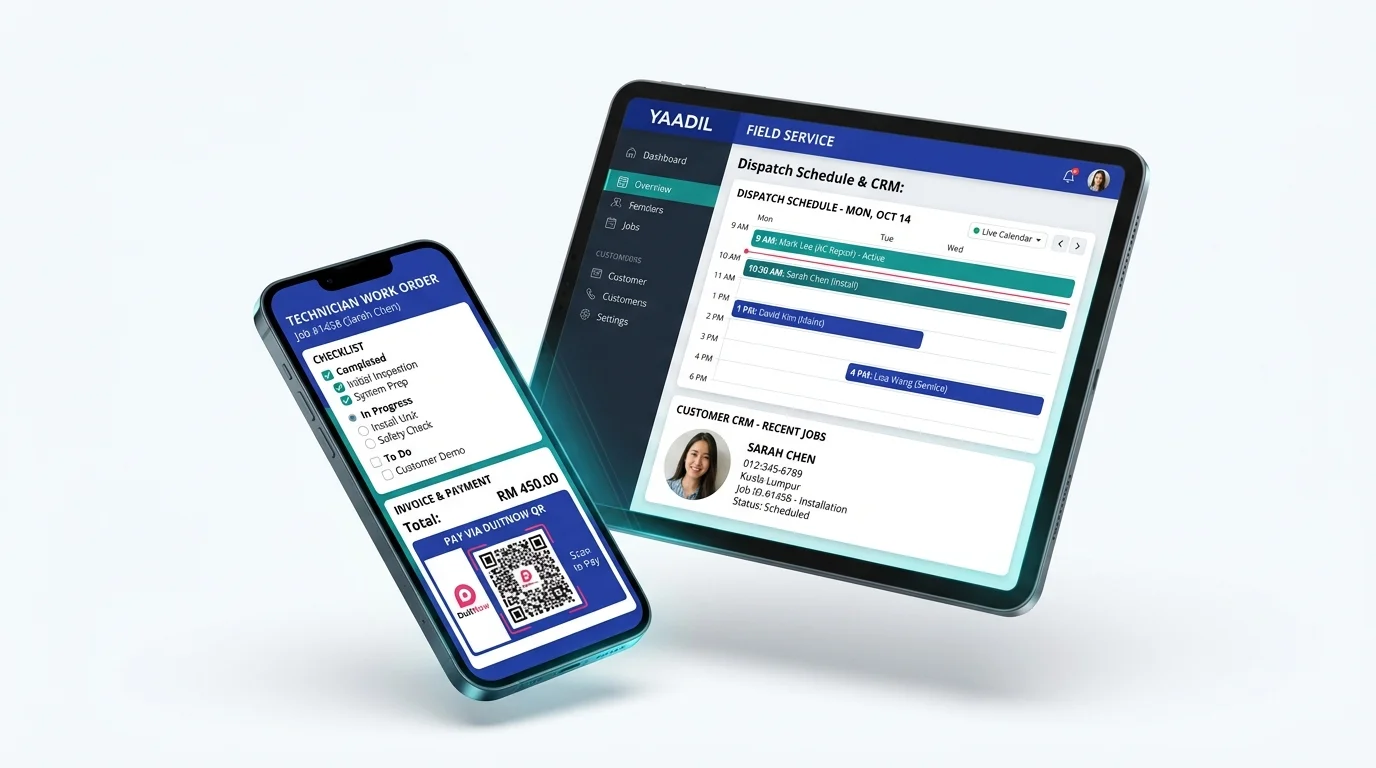
Why Builders Need Construction Company Invoice Software
Construction billing differs fundamentally from standard commercial invoicing. Instead of single-sum payments, construction projects require progress billing governed by cumulative completion percentages, retention withholdings (typically 5% to 10%), and frequent variation orders (VOs). Traditional manual invoicing models expose builders to four persistent operational hazards:
- Slow Progress Claim Preparation: Manually tallying site progress, quantity take-offs, and variation orders into spreadsheets often takes 7 to 14 days following the month-end cut-off date, inevitably delaying architect certification and developer disbursement.
- Uncertified Variation Orders (VOs): When client site representatives verbally authorize changes—such as reinforcing steel alterations or partition wall shifts—without digital change order sign-offs, developers routinely reject these claims during final account audits.
- Mishandled Retention Sums: Tracking retention monies withheld across dozens of active projects in separate spreadsheets leads to forgotten release milestones, causing contractors to forfeit 5% to 10% of their hardest-earned margins upon defect liability period (DLP) expiration.
- Subcontractor Back-to-Back Billing Discrepancies: Failing to align main contractor billing with subcontractor claims creates dangerous cash deficits where main contractors pay out subcontractors before collecting certified funds from clients.
Adopting purpose-built construction company invoice software replaces fragmented spreadsheets with an integrated digital workflow, providing quantity surveyors, project directors, and finance teams with real-time billing clarity.
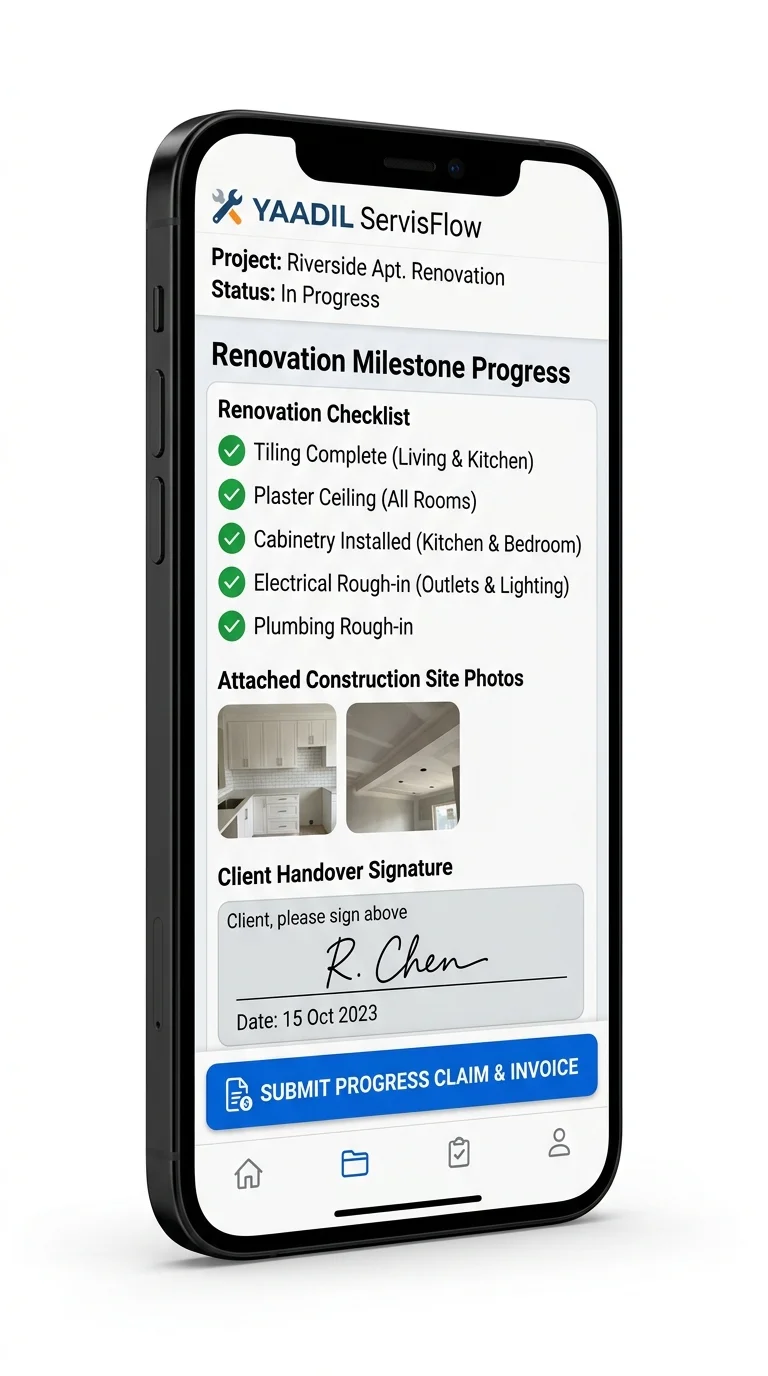
Core Capabilities of Construction Company Invoice Software
A professional construction billing platform must manage the multi-layered complexities of construction contracts while remaining accessible to site engineers and project managers on mobile devices. Industry-leading software delivers robust capabilities built for the construction environment:
Essential Pillars of Construction Company Invoice Software
When selecting a digital billing platform for your construction enterprise, ensure it incorporates these foundational pillars of construction company invoice software:
- Automated Progress Claim Generator: Generate cumulative progress claims formatted to industry standards (e.g., PAM, CIDB, or AIA contracts) showing original contract sums, cumulative previous claims, current work done percentages, and remaining contract balances.
- Digital Variation Order (VO) Workflows: Site supervisors submit change requests directly from mobile devices with site photos, labor hours, and material bills. Clients approve and sign digital VOs on site, automatically updating the contract billing schedule.
- Retention Monies & DLP Tracking: Automated ledger that calculates retention deductions on every progress invoice, tracks retention balances per project, and alerts finance teams when defect liability milestones are reached for final claim submission.
- Mobile Site Photo & Inspection Evidence: Embed geo-tagged and timestamped photographs of rebar inspection, concrete pours, waterproofing membranes, and structural handovers directly into progress billing dossiers.
- Integrated QR & Instant Payment Links: Accelerate payment settlement from property owners and commercial clients via dynamic DuitNow QR codes and secure online payment links attached directly to PDF claims.
- Accounts Receivable Aging & Cash Flow Forecasting: Gain real-time executive visibility over uncertified claims, overdue certified payments, and projected monthly cash inflows across all active site projects.

Operational Comparison: Excel vs Construction Company Invoice Software
Transitioning from complex spreadsheet macros to cloud-native construction billing software delivers immediate, compounding operational improvements:
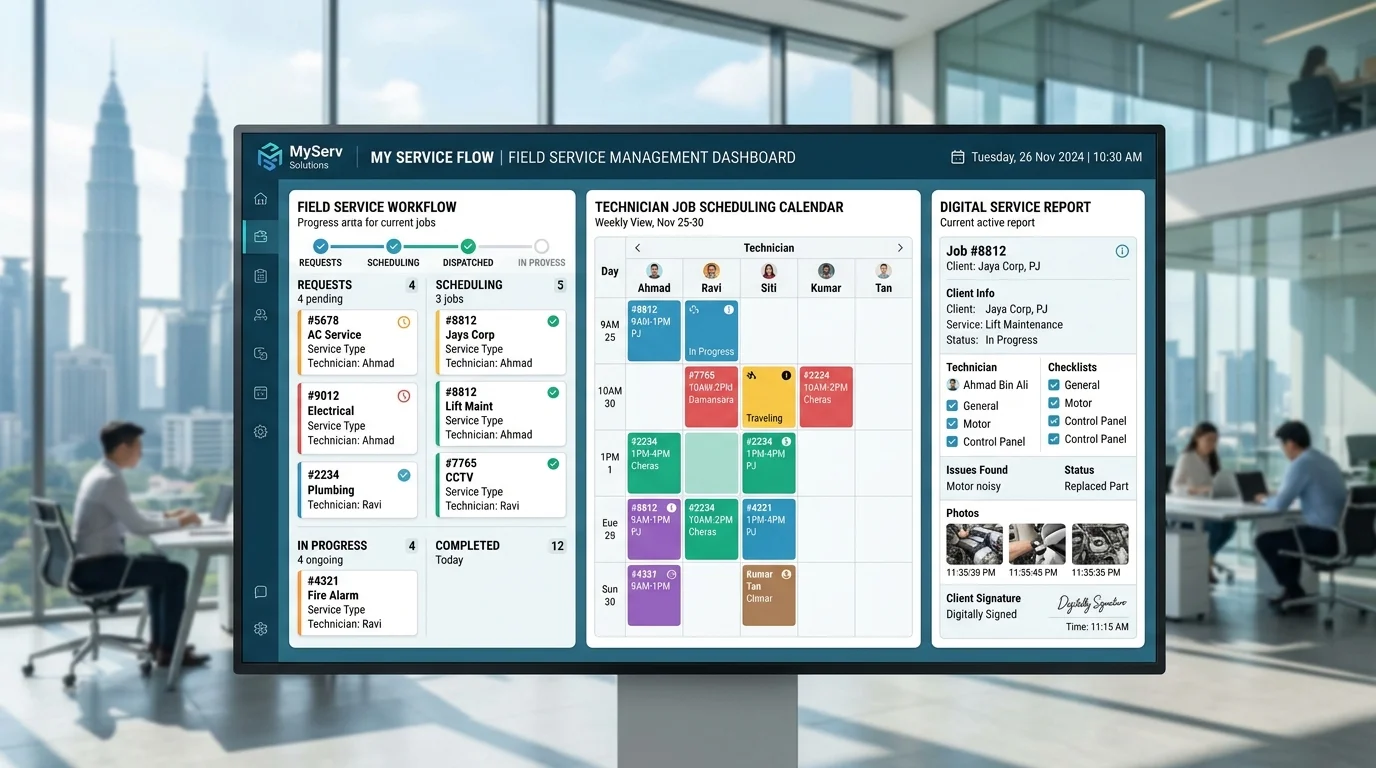
How Construction Company Invoice Software Secures Cash Flow
In the construction industry, cash flow liquidity determines whether a contractor thrives or collapses under supplier debt. Timely billing is the single most critical factor in maintaining healthy bank balances. When progress claims are submitted promptly at the close of each billing cycle with incontrovertible site evidence, project consultants and developers certify disbursements without delay.
As detailed in our foundational guide on invoicing for contractors to avoid overdue payments and analyzed in our guide on contractor invoice examples and digital billing, standardized milestone formats give clients complete confidence to disburse funds.
Combined with operational scheduling from field service scheduling software, mobile site updates from our best field service app for mobile technician teams, and enterprise management tools from best field services management software for service teams, builders establish ironclad financial resilience.
📌 Recommended Operational Guides:
- Invoicing for Contractors: Avoid Overdue Payments – Practical techniques to streamline progress claims and recover debts.
- Contractor Invoice Example & Digital Billing Guide – Essential invoice line items, milestone schedules, and legal terms.
- Modern Invoicing System for Field Contractors – Digital billing workflows, progress claims, and instant payment links.
- Roofing Software: Estimating to Invoicing Guide – Streamline aerial estimating, material orders, and milestone billing.
- Field Service Management Software for Small Business Guide – How small trade contractors automate dispatch and invoicing.
- Best Field Services Management Software for Service Teams – Enterprise FSM evaluation and comparison guide.
- YAADIL ServisFlow Suite – The all-in-one Malaysian construction billing, digital work order, and cash flow management platform.
Frequently Asked Questions (FAQ)
What is construction company invoice software and why is it needed?
How does the software handle retention sums and DLP release milestones?
Can site supervisors submit and approve variation orders on mobile devices?
Does the system support instant DuitNow QR payments in Malaysia?
Can small construction subcontractors benefit from this software?
Conclusion: Modernize Your Construction Billing Today
In the construction sector, craftsmanship on site must be supported by financial precision in the office. Continuing to rely on cumbersome spreadsheets, disputed paper delivery dockets, and forgotten variation orders jeopardizes your company’s working capital. Transitioning to dedicated construction company invoice software gives your leadership complete billing transparency, eliminates claim certification delays, and guarantees healthy cash flow from groundbreaking to final handover.
Ready to automate your progress claims and accelerate contractor payments? Discover how YAADIL ServisFlow can streamline your construction invoices, variation orders, and mobile collections starting today.
[…] demonstrated in our overview of construction company invoice software and established in our guide to invoicing for contractors to avoid overdue payments, standardized […]
[…] aiming to enhance cash flow stability should also examine our comprehensive guide on construction company invoice software and review structured practices in invoicing for contractors to avoid overdue […]