

Executive Summary: Streamlining Construction Accounting in 2026
Managing construction project finances requires seamless coordination between on-site engineering milestones, quantity surveying audits, and central accounts receivable desks. Deploying enterprise-grade construction invoice management software automates multi-stage progress claims, tracks cumulative retention monies, eliminates variation order disputes with timestamped photo records, and cuts client billing turnaround by over 60%.
The construction sector operates on tight profit margins and massive capital requirements. Commercial general contractors, civil engineering firms, and specialized trade contractors must finance expensive building materials, heavy equipment rentals, and specialized labor crews weeks before project consultants certify work progress. In traditional construction environments, billing departments drown in paper delivery orders, site diary logs, and disjointed spreadsheet files.
When billing administration falls behind on-site progress, serious financial crises emerge. Developers hold back payment certifications, subcontractors demand settlement before continuing work, and contractor cash flow suffers severe shocks. To protect balance sheet liquidity and eliminate costly billing bottlenecks, modern contracting firms deploy purpose-built construction invoice management software designed to unify project milestone tracking, retention ledgers, and payment processing into a single automated platform.
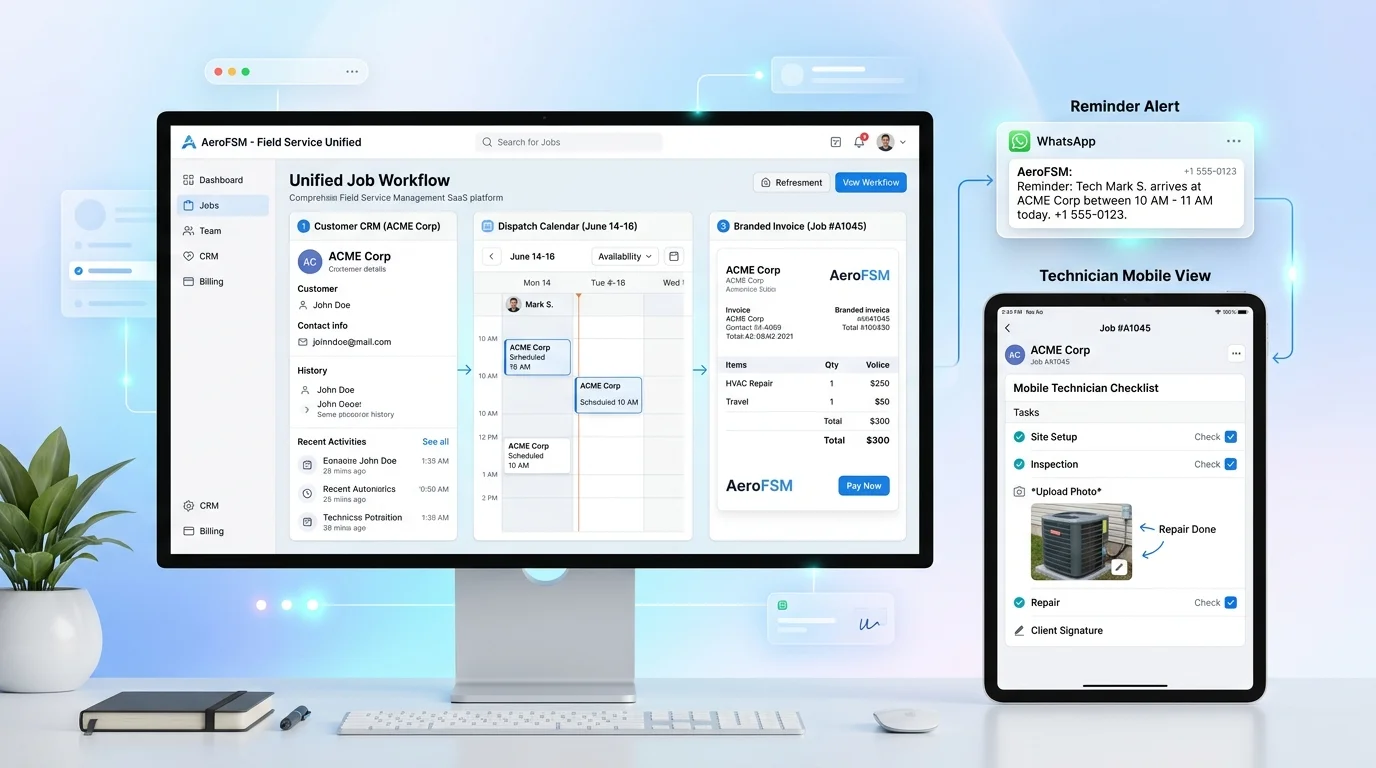
Why Building Contractors Need Construction Invoice Management Software
Unlike simple retail point-of-sale transactions or generic consulting billing, construction contracts involve multi-tier financial structures. Each progress claim must account for cumulative percentage of completion, materials on site, contract sum adjustments, and statutory retention deductions. Manual billing management introduces four structural risks that threaten contracting profitability:
- Disjointed Progress Claim Reconciliations: Manually compiling quantity surveyor assessments and site records into monthly claims takes 7 to 14 days following the billing cut-off, causing contractors to miss monthly consultant certification deadlines.
- Uncollected Variation Orders (VOs): When client site representatives verbally request structural modifications or interior alterations without signed digital change orders, project developers routinely dispute and reject those expenses during final project reconciliation.
- Unmonitored Retention Sum Deficits: Withholding 5% to 10% retention per claim across multiple active projects often represents a contractor’s entire net profit margin. Failing to systematically track Defect Liability Period (DLP) expiration dates causes millions in unrecovered retention monies.
- Back-to-Back Subcontractor Payment Exposure: When main contractors lack unified billing software, subcontractor progress invoices are certified without verifying whether the corresponding main contract milestones have been approved by the client developer.
Adopting dedicated construction invoice management software bridges site execution with corporate financial governance, ensuring every dollar of work performed is certified, billed, and collected without delay.
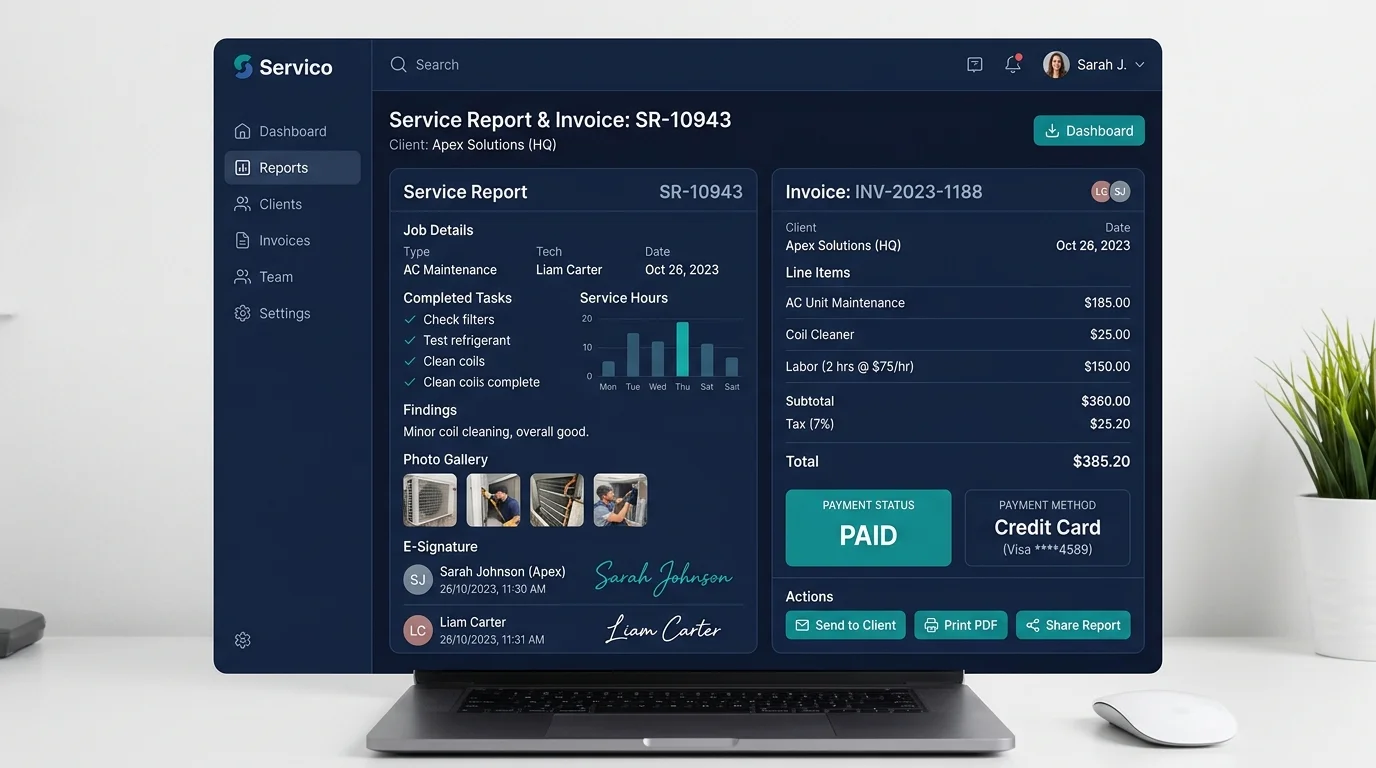
Core Capabilities of Construction Invoice Management Software
Modern construction accounting platforms provide comprehensive automation engineered specifically for trade contractors, civil builders, and mechanical engineering teams. Leading solutions combine field mobility with back-office accounting precision:
Core Capabilities of Construction Invoice Management Software
When selecting a software platform for your construction enterprise, prioritize these essential capabilities in construction invoice management software:
- Standardized Progress Claim Generation: Automatically generate cumulative progress claims complying with standard contract frameworks (e.g., CIDB, PAM, or PWD forms), clearly displaying original contract value, cumulative previously certified claims, current progress percentages, and remaining contract balances.
- Centralized Retention Ledger & DLP Tracking: Track retention monies deducted per milestone across all active job sites, with automated notification triggers alerting finance directors when practical completion certificates (CPC) and Defect Liability Periods expire.
- Digital Variation Order (VO) Workflows: Site engineers capture change requests, estimate costs, and attach site photos via mobile apps, enabling client architects and project managers to sign off on VOs digitally before work begins.
- Photo-Verified Work Order Documentation: Embed geo-tagged and timestamped photographs of rebar framing, structural casting, and architectural finishes directly into progress claim dossiers, eliminating consultant audit disputes.
- Instant Digital Payments & Dynamic QR Integration: Accelerate payment collection with embedded dynamic DuitNow QR codes and instant corporate online banking links attached directly to PDF payment claims.
- Real-Time Accounts Receivable (AR) & Cash Flow Analytics: Executive dashboards displaying aging receivables, uncertified claims, and cash inflow forecasts across all active development sites.

Operational Comparison: Manual Spreadsheets vs Construction Invoice Management Software
Upgrading from traditional spreadsheets and paper invoices to cloud-native construction billing software delivers dramatic, compounding operational improvements:
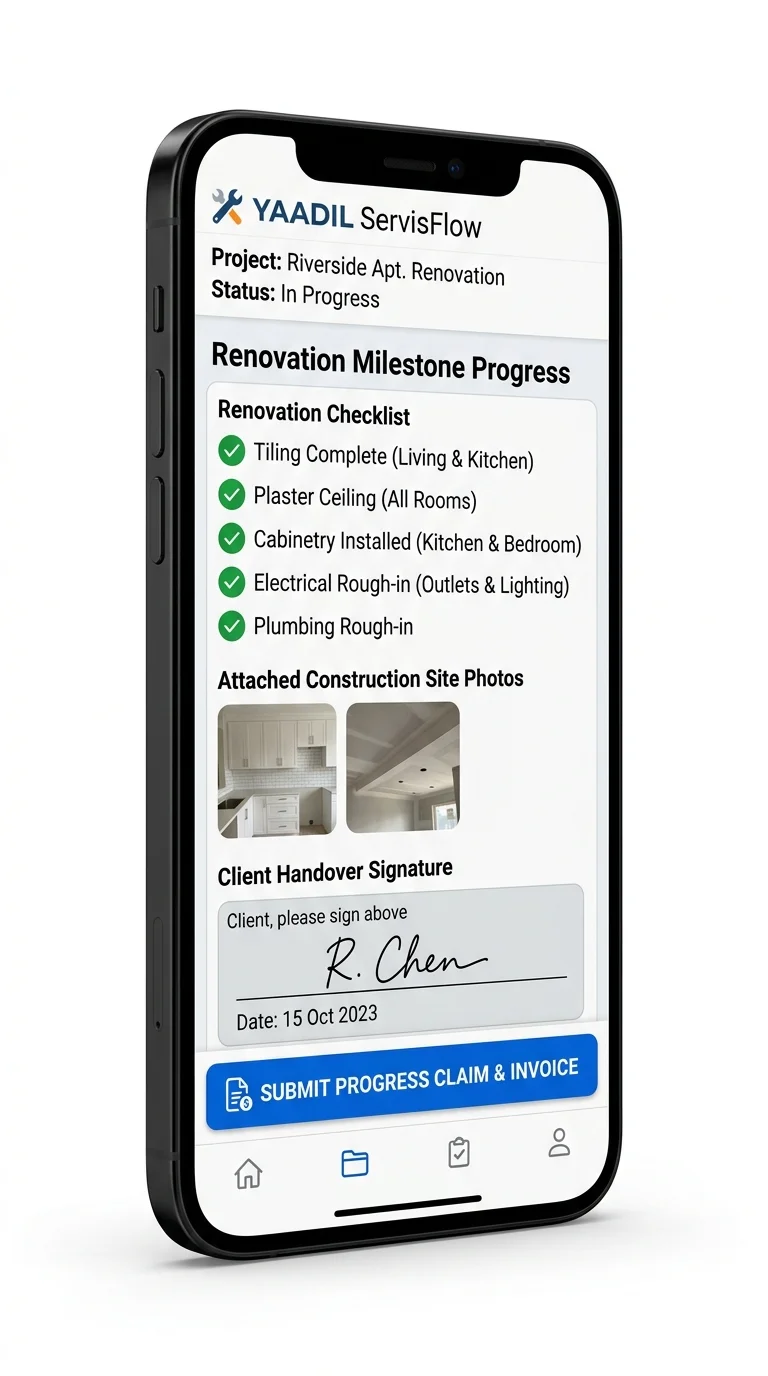
How Construction Invoice Management Software Protects Working Capital
In the construction and building industry, maintaining financial liquidity is essential to sustaining multi-year development projects. By submitting standardized, transparent, and photo-verified claims at the end of each billing window, contractors eliminate consultant audit delays and accelerate developer disbursements.
As demonstrated in our overview of construction company invoice software and established in our guide to invoicing for contractors to avoid overdue payments, standardized billing frameworks give clients complete confidence to certify and release progress funds promptly.
Combined with crew scheduling from field service scheduling software, mobile field tracking from our best field service app for mobile technician teams, and operational leadership from best field services management software for service teams, contractors safeguard profit margins from groundbreaking to final handover.
📌 Recommended Operational Guides:
- Construction Company Invoice Software Guide – Progress claims, retention billing, and milestone accounting.
- Invoicing for Contractors: Avoid Overdue Payments – Essential billing workflows to prevent client payment delays.
- Contractor Invoice Example & Digital Billing Guide – Essential invoice line items, milestone schedules, and legal terms.
- Modern Invoicing System for Field Contractors – Digital billing workflows, progress claims, and instant payment links.
- Field Service Management Software for Small Business Guide – How small trade contractors automate dispatch and invoicing.
- Best Field Services Management Software for Service Teams – Enterprise FSM evaluation and comparison guide.
- YAADIL ServisFlow Suite – The all-in-one Malaysian construction billing, digital work order, and cash flow management platform.
Frequently Asked Questions (FAQ)
What is construction invoice management software and who should use it?
How does the system prevent disputes on variation orders (VOs)?
Can the software track retention monies and defect liability periods (DLP)?
Does the system support instant DuitNow QR payments in Malaysia?
Can trade subcontractors use the software to bill main contractors?
Conclusion: Modernize Your Construction Invoice Management Software Today
In the construction industry, physical craftsmanship on site must be supported by automated financial governance in the office. Continuing to rely on cumbersome spreadsheets, disjointed paper site dockets, and uncollected retention monies restricts your company’s growth and strains liquidity. Transitioning to dedicated construction invoice management software gives your leadership complete financial transparency, accelerates progress claim certifications, and protects contractor profitability from project start to final account handover.
Ready to automate your construction billing and accelerate client payments? Discover how YAADIL ServisFlow can streamline your progress claims, variation orders, and cash flow management starting today.
[…] Construction Invoice Management Software (2026 Guide) […]